


The Language of the Sea: Nautical Terms and Their Origins
Maritime History | September 7, 2026
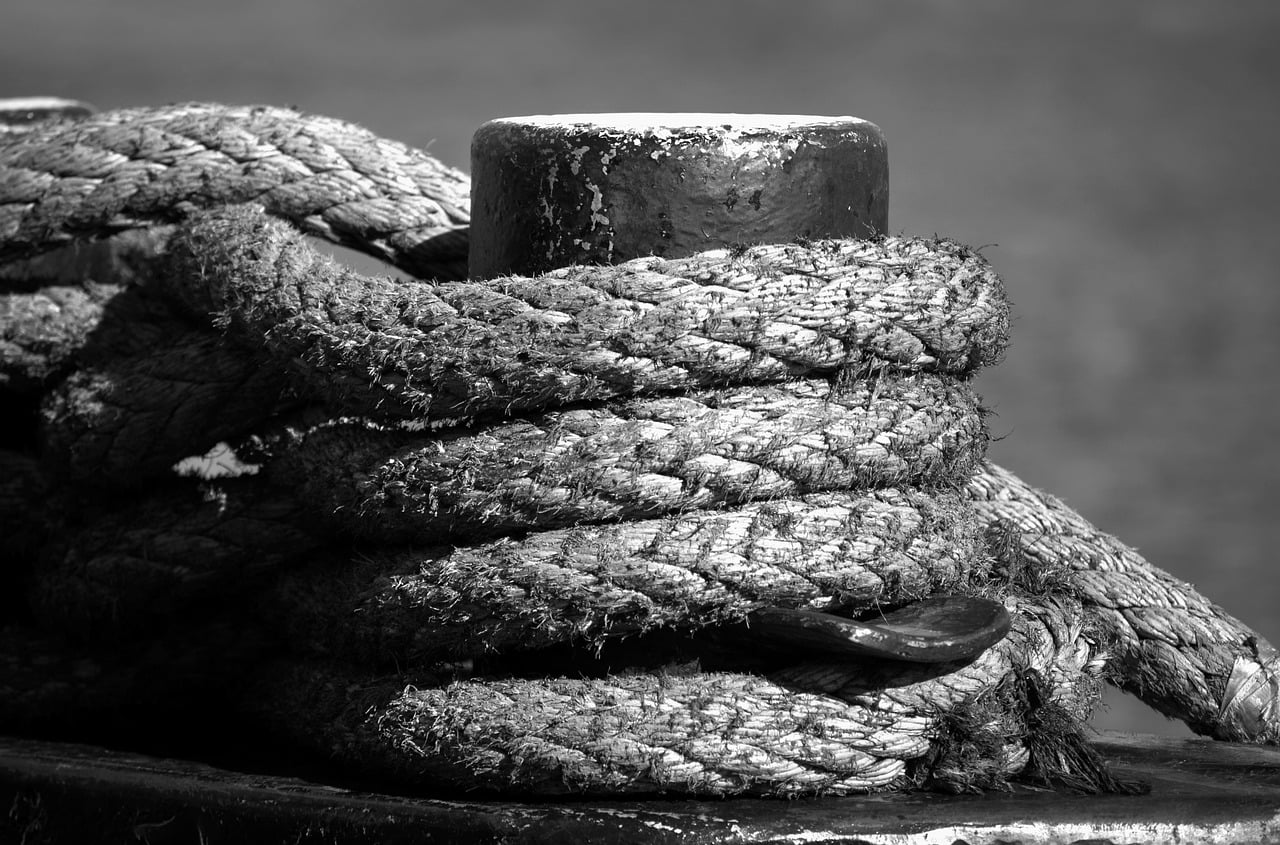
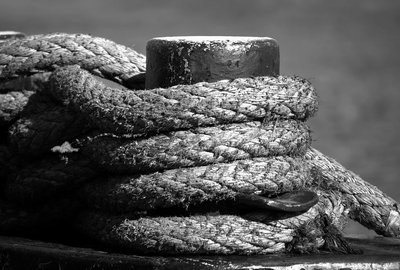
The first time someone told me to "belay that line," I had no idea what they meant. I stood there, rope in hand, while the rest of the crew waited. Finally, a kind soul took pity on me and showed me how to wrap the line around a cleat. Belay. It means to secure, to stop, to hold fast. Once you know it, you never forget it. And once you start learning nautical terms, you realize you are learning a language that is older than most nations.
Nautical language is full of words that have crossed over into everyday speech. We say "learning the ropes" without thinking about where it came from. We say "three sheets to the wind" to describe someone who is drunk, not realizing that a sheet is a line that controls a sail, and having three of them loose would make a ship unmanageable. We talk about "feeling under the weather" without knowing that it originally referred to a ship being battered by a storm.
Words That Carry History
Many nautical terms come from Dutch, because the Dutch were among the finest sailors in Europe during the age of exploration. Words like "yacht," "boom," "sloop," and "keel" all have Dutch roots. Others come from Old Norse, brought by Viking sailors who crossed the North Atlantic centuries before Columbus. "Starboard" comes from the Old English "steorbord," the side of the ship where the steering oar was placed. "Port" replaced "larboard" in the nineteenth century because the two sounded too similar in a storm.
Some terms are deeply practical. "Avast" means stop. "Aye" means yes. "Hard a-lee" is a command to turn the ship through the wind. Others are poetic. "Doldrums" comes from an old word for dull or sluggish. "Offing" refers to the open sea, as in "in the offing," meaning something is on the horizon. "Davids" are the cranes used to lift boats, named after the biblical David who lifted things. The sea is full of these small stories.
Why It Still Matters
Learning nautical language is not just about passing a test or impressing your shipmates. It is about connecting to a tradition that stretches back thousands of years. When you say "starboard," you are using a word that sailors have used for centuries. When you "make fast" a line, you are performing a task that has been performed on ships since before the age of sail. The words are a kind of time machine.
They are also a reminder that the sea has its own culture, its own rules, and its own way of doing things. You cannot bluff your way through nautical language any more than you can bluff your way through a storm. You either know it or you don't. And if you don't, you learn. That is the beauty of it. The sea does not care where you came from. It only cares whether you are willing to learn its language.
So the next time you hear a nautical term, take a moment to wonder where it came from. You might be surprised by what you find. The sea has been talking for a long time, and if you listen closely, you can still hear the echoes of every sailor who came before you.


Tall Ship Thoughts

Standing my first solo night watch on a tall ship taught me that the ocean at midnight is not empty, it is simply speaking a language I had not yet learned.