



Becalmed: Finding Peace in the Doldrums
Sailing Adventures | September 10, 2026

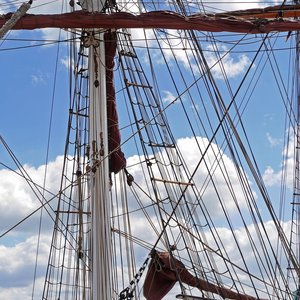
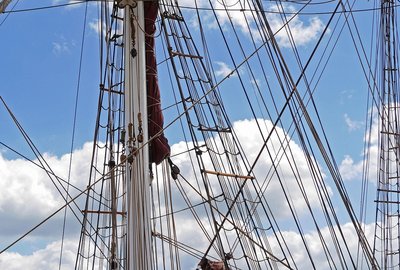
There is a particular kind of silence that descends on a tall ship when the wind dies. The sails hang limp. The rigging stops its constant hum. The hull, which is usually alive with the sound of water rushing past, goes quiet. You can hear voices from the other end of the deck. You can hear the creak of wood and the slap of halyards against the mast. And you can hear your own thoughts, which is sometimes the most unsettling sound of all.
We were somewhere in the Atlantic, a few days out from the Azores, when the wind left us. It didn't fade gradually. It just stopped, as if someone had turned off a switch. The captain came on deck, looked at the glassy water, and said, "Well, we're becalmed. Might as well make the best of it." Then he went below to read a book. The rest of us stood there, unsure what to do with ourselves.
The Doldrums Are Not Empty
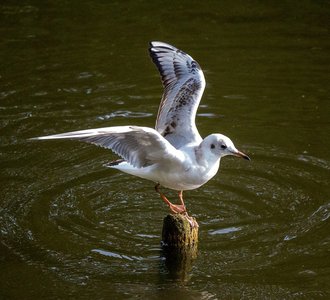
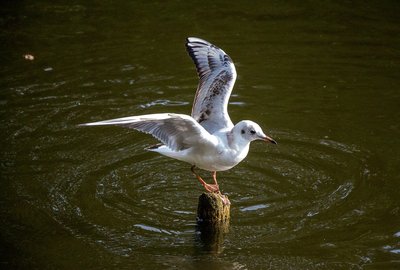
The doldrums have a bad reputation, and for good reason. In the age of sail, a ship could be stuck for weeks in the equatorial calms, running low on water and food while the crew grew restless and sick. But there is another side to the doldrums, one that only becomes visible when you stop fighting them. When the wind is gone, the sea becomes a mirror. You can see clouds reflected in it. You can see birds and fish and the occasional distant whale. The ocean, which is usually a blur of motion, becomes still enough to study.
We spent three days becalmed. At first, everyone was irritable. The watches felt pointless. There was nothing to trim, nothing to steer toward. But by the second day, a strange calm settled over the crew. People started talking more. Someone broke out a guitar. A few of us rigged a sunshade on the foredeck and read. The cook made a proper meal instead of the usual rushed fare. It was as if the ship had exhaled.
What Stillness Teaches
I learned something during those three days that I have carried with me ever since. I learned that stillness is not the same as emptiness. When you are forced to stop, you start to notice things you would otherwise miss. You notice the way the light changes. You notice the small kindnesses of your shipmates. You notice your own restlessness, and you have to sit with it.
On the third evening, a breeze finally came. It started as a ripple on the water, then a whisper in the sails. The ship began to move, slowly at first, then with gathering confidence. We trimmed the sails and set a course, and by morning we were making good speed again. The doldrums were behind us, but I was grateful for them. They had given me something I didn't know I needed: a chance to be still.
In a world that is always rushing, always moving, always demanding more, the doldrums are a reminder that there is value in waiting. The wind will come back. It always does. In the meantime, you can learn to appreciate the quiet.


Tall Ship Thoughts

Every nautical term has a story, and learning them is like uncovering the history of the sea itself.