



From Windjammer to Container Ship: A Century of Cargo at Sea
Maritime History | September 13, 2026
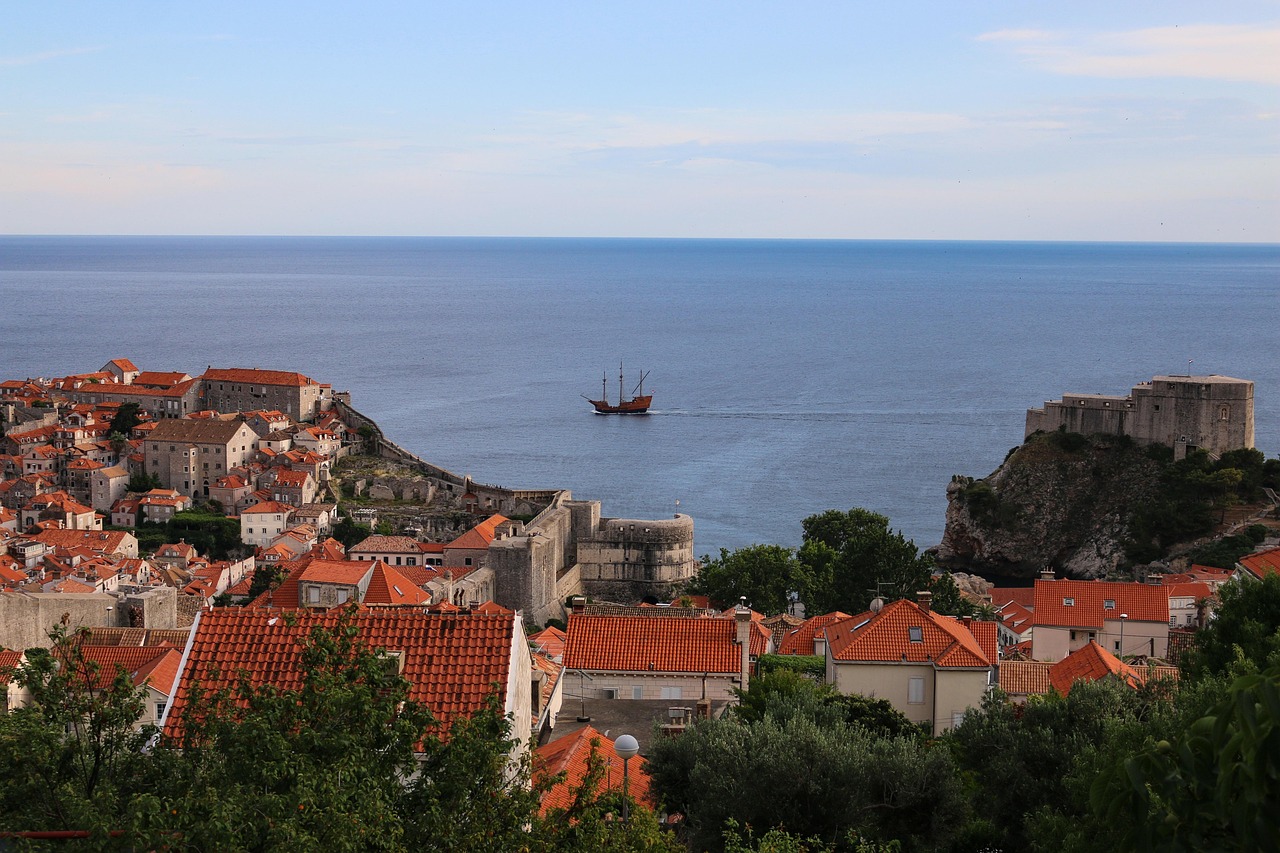
There was a time when the world's cargo moved under sail. Tea from China, wool from Australia, grain from the American plains, all of it crossed the oceans in the holds of tall ships. The windjammers of the late nineteenth and early twentieth centuries were the last great commercial sailing vessels, and they represented the peak of a technology that had been refined over centuries. Then, almost overnight, they vanished.
The transition from sail to steam was not instant. For decades, the two coexisted, each with its own advantages. Steamers were reliable and could keep to a schedule, but they needed coal, which took up space and required coaling stations. Sailing ships were slow and at the mercy of the wind, but they were cheap to operate and could carry more cargo. On long routes, especially to Australia and around Cape Horn, sail remained competitive well into the twentieth century.
The Last Great Race
One of the most famous chapters in this history is the grain race, a competition among windjammers to bring the Australian harvest to Europe as fast as possible. Ships like the Cutty Sark and the Thermopylae raced from China to London with tea, and later, vessels like the Herzogin Cecilie and the Pamir raced with grain. These were not leisurely voyages. They were hard, dangerous passages around Cape Horn, where ships faced some of the worst weather on the planet.
The crews were small, often just a couple of dozen men, and they worked in brutal conditions. Men fell from the rigging. Ships disappeared without a trace. And yet the races captured the public imagination in a way that steam never did. There was something romantic about the idea of a ship driven by nothing but wind, racing against time and tide. It was the last stand of an older way of life.
What We Lost and What We Kept
When the last commercial sailing ships were retired, something disappeared from the sea. The skills of the deepwater sailor, the knowledge of rigging and sail handling, the culture of the fo'c'sle, all of it began to fade. But it did not vanish entirely. The tall ships survived as training vessels, as tourist attractions, and as living museums. Organizations like the Sail Training International and various maritime heritage groups kept the traditions alive.
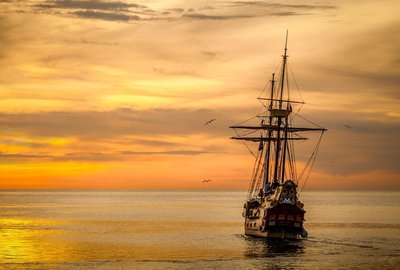
Today, when you see a tall ship under full sail, you are watching a ghost of a vanished world. But you are also watching something that still matters. The principles of sailing, the respect for wind and weather, the reliance on teamwork and human skill, these are not obsolete. They are reminders of what we can do when we work together and pay attention to the world around us.
The container ships that dominate modern trade are marvels of efficiency, but they will never inspire the same awe as a square-rigger under a full press of canvas. There is a reason we still paint them, write about them, and sail them. They connect us to a time when the sea was not just a highway but a way of life.


Tall Ship Thoughts
When the wind dies and the ship stops moving, you have a choice: fight the stillness or learn from it.