





Learning the Ropes: A Beginner's Guide to Sail Handling
Crew Experiences | September 19, 2026
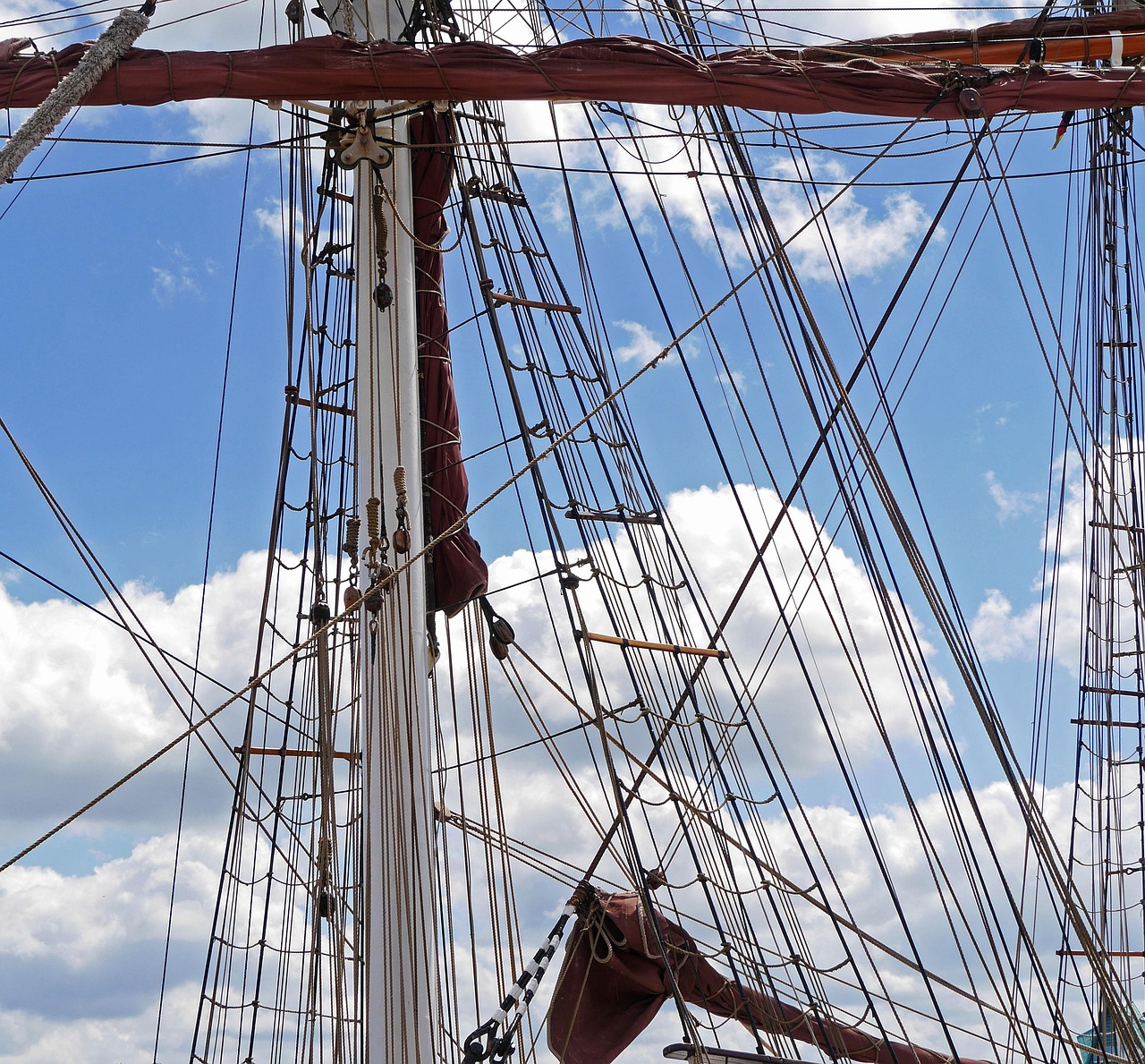
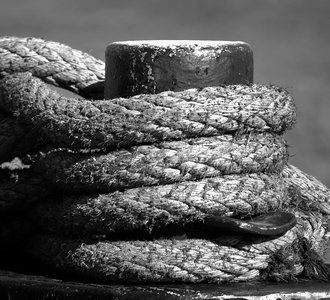
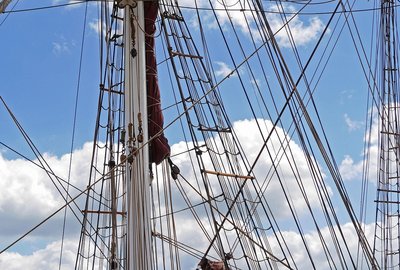
My first day on deck, the captain handed me a coil of rope and said, "Learn her. She'll tell you everything you need to know." I looked up at the maze of lines crossing the masts and felt a familiar knot of panic. Every rope seemed identical, a tangled web of hemp and history. But as the days passed, I began to see the order hidden in the chaos. Each line had a name, a purpose, and a place it belonged. Learning them wasn't just a matter of memorization; it was an initiation into the ship's own language.
Tall ship sailing is a craft built on repetition and respect. You don't master the ropes in a day, or a week, or even a season. You learn them the way you learn a song, one verse at a time, until the whole thing hums in your bones. The first line I truly knew was the main sheet, because I was sent to tend it so often. Then came the halyards, the braces, the downhauls. Each one taught me something about how the ship breathed.
The Anatomy of a Line
Every line aboard has a function, and most of them are named for what they do. Halyards haul sails up. Sheets trim them in or let them out. Braces rotate the yards to catch the wind at the right angle. Downhauls pull things down, and uphauls, less common but still present on some rigs, pull them up. The names are old, some dating back centuries, and they carry the weight of every sailor who ever shouted them into the wind.
What surprised me most was how tactile the knowledge became. I could recognize a line by its texture before I could see its color. The jib sheets were softer from constant handling. The braces were thicker, stiffer, built to take the strain of turning a heavy yard. My hands learned what my mind was still struggling to catalog. There is a kind of intelligence that lives in the palms, and sailing awakens it.
When the Ropes Become Instinct
The turning point came during a squall off the coast of Maine. The wind shifted suddenly, and the captain called for a brace. I didn't think. I just moved. My feet found the rail, my hands found the line, and I pulled with the rest of the crew as if I had done it a thousand times. Later, I realized I hadn't consciously known which line to grab. My body had simply remembered.
That is the quiet miracle of tall ship sailing. You spend weeks feeling clumsy and useless, and then one day the ship accepts you. The ropes stop being a puzzle and start being an extension of your own arms. You stop asking which line and start knowing. It is a slow, humbling process, but it is also one of the most rewarding things I have ever done. The ship doesn't care about your resume or your ego. She only cares whether you can pull when it matters.
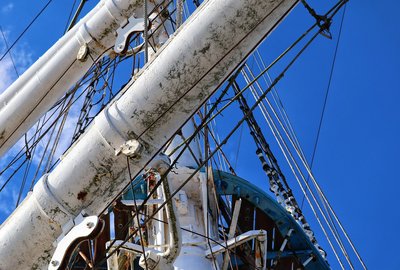
If you ever get the chance to sail on a traditional vessel, take it. Stand on deck, look up at the rig, and let yourself be overwhelmed. Then pick up a line and start learning. The ship will meet you halfway.


Tall Ship Thoughts

A good bosun leads with presence, not volume, and the foredeck is where you learn the difference.