









The First Night Watch: Learning to Trust the Dark
Crew Experiences | October 4, 2026
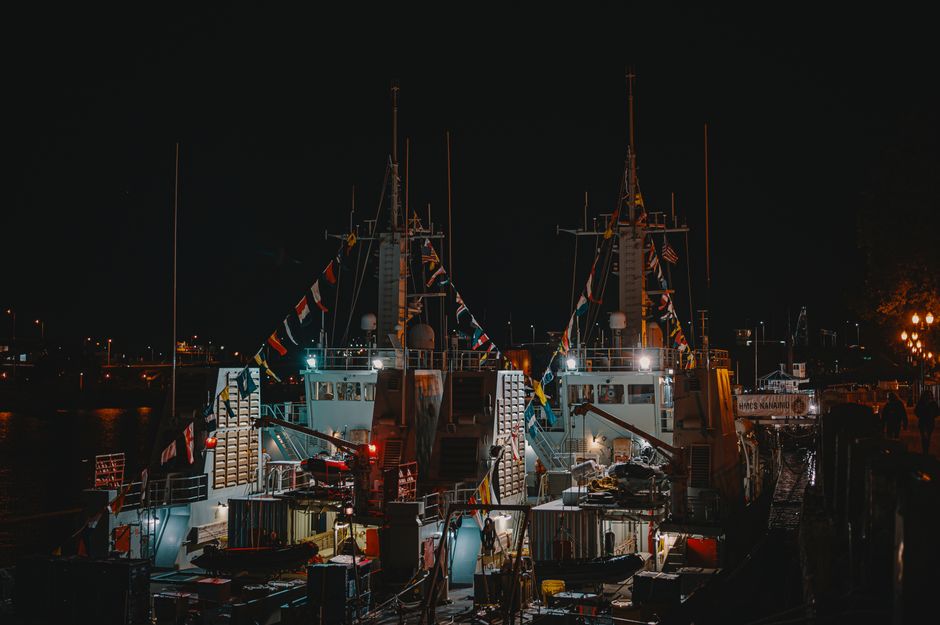
The bosun handed me a thermos of coffee and a small torch, told me to wake him if anything at all felt wrong, and disappeared down the companionway. I was twenty-two years old, six days into my first voyage on a 130-foot brigantine, and suddenly and completely alone on deck at two in the morning somewhere off the coast of Portugal. The ship creaked and breathed around me like a sleeping animal. I gripped the rail and tried to remember every knot and bearing I had supposedly learned.
The first hour was pure nerves. Every slap of a wave against the hull sounded like an alarm. I counted the masthead light's swing against the stars more times than I can recall, mostly to keep my hands busy and my mind from inventing sea monsters. The wind was light, the sails barely drawing, and the ship moved with a slow, rolling gait that made the deck feel less like a floor and more like the back of something enormous and patient.
What the Darkness Actually Holds
Somewhere around three in the morning, something shifted. My eyes adjusted, or my fear simply got tired and sat down. The darkness stopped being a blank wall and became layered. I could pick out the phosphorescence in the bow wave, a faint green glitter that followed us like a trail of sparks. I heard the water moving along the hull in a steady, musical hiss. Above me the rigging made a sound I had only ever read about in books, a low hum that the older crew called the ship singing, and I finally understood why they used that word.
That night I learned that a night watch is not about vigilance in the way I had imagined. It is about attention. You are not scanning for threats. You are listening for changes. The wind shifts a point, the swell steepens, a sail starts to luff, and each of these is a small sentence in a conversation the ship is having with the sea. Your job is not to shout over it. Your job is to notice.
The Confidence That Comes With Sunrise
When the first grey light crept up behind us, I realized I had stopped holding the rail. I had walked a slow circuit of the deck several times without thinking about it, checked the lashings on the dinghy, and even adjusted a staysail sheet that had started to slacken. Nothing dramatic had happened. That was the point. I had kept the ship safe by simply being present, and the ship had kept me safe by being exactly what she was.
The bosun came up with the next watch and asked how it had gone. I said fine, which was a lie in the sense that it had been terrifying and a truth in the sense that terror had quietly turned into something else. He nodded like he already knew. Every sailor I have met since has a version of that same first night, and we all tell it the same way, with a smile that suggests we are not really talking about the dark at all.
If you ever get the chance to stand a night watch on a traditional ship, take it. You will not sleep well the next day. You will also never see the ocean the same way again.


Tall Ship Thoughts

Square rigging looks obsolete to modern eyes, but the logic behind those big rectangular sails is as elegant as anything in naval architecture.